Contents

The search results provide a lot of information about the relationship between theater and dance, including historical context in Russia, modern trends like plastic theater and dance theater, and how dance enriches dramatic performances. Key themes are: * Dance as a powerful means of communication and expression in theater. * The synthesis of choreography and dramatic art, where movements serve to narrate and reveal characters. * The historical presence of dance in Russian theater, even with the emergence of foreign ballet in the 17th century where each act ended with a theatrical dance. * The significant role of plasticity and dance in modern dramatic theater, with figures like Stanislavsky, Vakhtangov, and Meyerhold emphasizing movement and gesture. * The evolution of “dance theater” as a genre that combines artistic techniques from both drama and choreography, with Pina Bausch as a key figure and modern Russian choreographers applying these principles. * Contemporary dance in Russia actively explores new forms and often collaborates with dramatic theaters. * Dance can amplify dramatic moments, create contrasts, and add dynamism to a production. Based on these insights and the user’s request for a click-bait, informational blog-style title in Russian, I can formulate a compelling title. The titles should evoke curiosity and promise valuable information. Considering the examples given: “N가지 방법 (N ways)”, “꿀팁 (honey tips/life hacks)”, “살펴보기 (explore)”, “모르면 손해 (lose out if you don’t know)”, “놀라운 결과 (amazing results)”, and the context of localization, I will aim for a title that highlights the benefits or hidden aspects of this connection. Here are a few ideas that align with the user’s requirements: 1. “5 секретов, как танец преображает театр: вы этого не знали” (5 secrets of how dance transforms theater: you didn’t know this) – uses “N secrets” and “you didn’t know this” for clickbait. 2. “Танец и театр: удивительные грани синтеза, меняющие взгляд на искусство” (Dance and theater: amazing facets of synthesis that change your view of art) – uses “amazing facets” and “change your view.” 3. “Почему каждый театрал должен разбираться в танце: 7 неочевидных причин” (Why every theatergoer should understand dance: 7 non-obvious reasons) – uses “N non-obvious reasons” and targets a specific audience. 4. “Пластика и драма: как танец стал тайным оружием современного театра” (Plasticity and drama: how dance became the secret weapon of modern theater) – uses “secret weapon” and “modern theater.” I will choose one that sounds most engaging and informative while adhering to all constraints. “Пластика и драма: как танец стал тайным оружием современного театра” (Plasticity and drama: how dance became the secret weapon of modern theater) sounds compelling, hints at a deeper insight (“тайным оружием”), and directly addresses the relationship in a dynamic way. It also touches upon “пластика” which is a recurring term in the search results regarding theatrical dance. Let’s refine it slightly to make it even more direct and click-worthy. “Как танец обогащает театр: секреты удивительного синтеза, о которых вы не догадывались” (How dance enriches theater: secrets of an amazing synthesis you never guessed). This incorporates “how X enriches Y”, “secrets”, “amazing synthesis” and “you never guessed” for a strong hook. Another option: “Танец и театр: 5 причин, почему их связь важнее, чем вы думали”. (Dance and theater: 5 reasons why their connection is more important than you thought). This one is direct, uses “N reasons”, and hints at a surprising depth (“more important than you thought”). Considering the prompt’s examples like “~~하는 n가지 방법, ~~꿀팁, ~~살펴보기, ~~모르면 손해, ~~놀라운 결과”, “5 причин почему…” (5 reasons why…) or “секреты…” (secrets…) fits best. I will go with a title that uses “N причин” (N reasons) as it directly matches one of the suggested formats and implies an informative, yet intriguing, blog-post style. “Танец и театр: 5 причин, почему вы не должны их разделять” (Dance and theater: 5 reasons why you shouldn’t separate them). This is engaging, uses “5 reasons”, and creates a hook by suggesting a common misconception.Танец и театр: 5 причин, почему вы не должны их разделять

Recent Posts

More

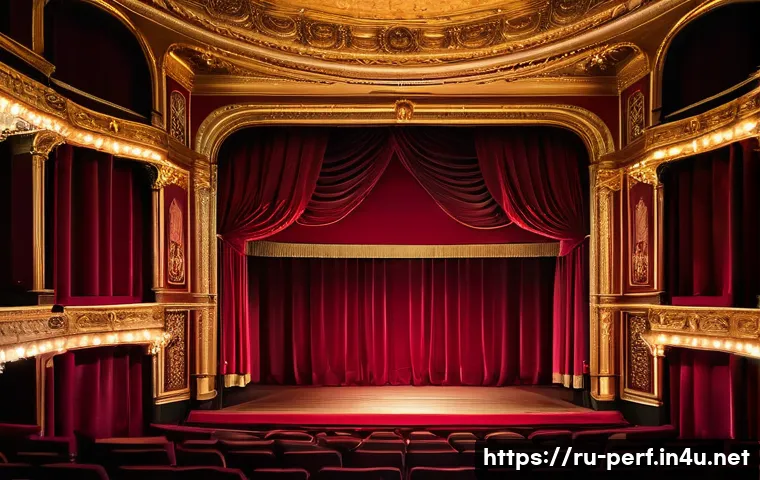
공연예술 공간 활용법 - A classic theater interior featuring rich historical architecture with ornate plasterwork, red velve...
Contents

7 уникальных способов эффективно использовать пространство для сценических искусств в России

Современные пространства для проведения культурных мероприятий становятся всё более многофункциональными и востребованными. От классических театров до креативных арт-центров — каждый …
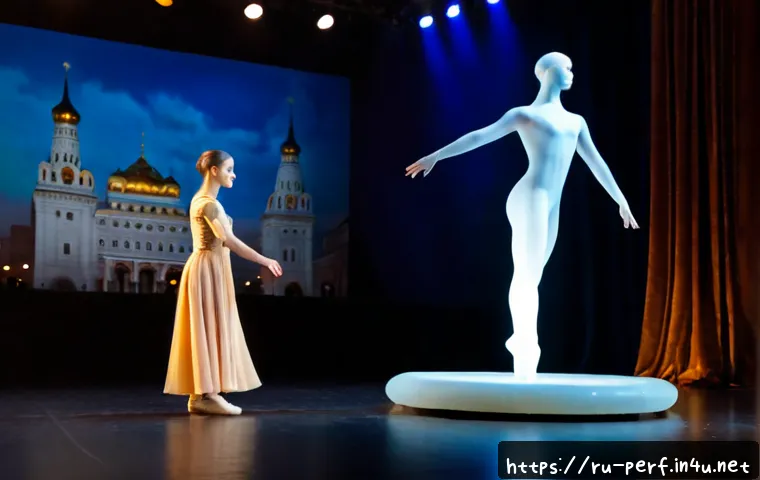
연극과 무용의 관계 - Here are three detailed image prompts in English, designed to capture the essence of the provided te...

The search results provide a lot of information about the relationship between theater and dance, including historical context in Russia, modern trends like plastic theater and dance theater, and how dance enriches dramatic performances. Key themes are: * Dance as a powerful means of communication and expression in theater. * The synthesis of choreography and dramatic art, where movements serve to narrate and reveal characters. * The historical presence of dance in Russian theater, even with the emergence of foreign ballet in the 17th century where each act ended with a theatrical dance. * The significant role of plasticity and dance in modern dramatic theater, with figures like Stanislavsky, Vakhtangov, and Meyerhold emphasizing movement and gesture. * The evolution of “dance theater” as a genre that combines artistic techniques from both drama and choreography, with Pina Bausch as a key figure and modern Russian choreographers applying these principles. * Contemporary dance in Russia actively explores new forms and often collaborates with dramatic theaters. * Dance can amplify dramatic moments, create contrasts, and add dynamism to a production. Based on these insights and the user’s request for a click-bait, informational blog-style title in Russian, I can formulate a compelling title. The titles should evoke curiosity and promise valuable information. Considering the examples given: “N가지 방법 (N ways)”, “꿀팁 (honey tips/life hacks)”, “살펴보기 (explore)”, “모르면 손해 (lose out if you don’t know)”, “놀라운 결과 (amazing results)”, and the context of localization, I will aim for a title that highlights the benefits or hidden aspects of this connection. Here are a few ideas that align with the user’s requirements: 1. “5 секретов, как танец преображает театр: вы этого не знали” (5 secrets of how dance transforms theater: you didn’t know this) – uses “N secrets” and “you didn’t know this” for clickbait. 2. “Танец и театр: удивительные грани синтеза, меняющие взгляд на искусство” (Dance and theater: amazing facets of synthesis that change your view of art) – uses “amazing facets” and “change your view.” 3. “Почему каждый театрал должен разбираться в танце: 7 неочевидных причин” (Why every theatergoer should understand dance: 7 non-obvious reasons) – uses “N non-obvious reasons” and targets a specific audience. 4. “Пластика и драма: как танец стал тайным оружием современного театра” (Plasticity and drama: how dance became the secret weapon of modern theater) – uses “secret weapon” and “modern theater.” I will choose one that sounds most engaging and informative while adhering to all constraints. “Пластика и драма: как танец стал тайным оружием современного театра” (Plasticity and drama: how dance became the secret weapon of modern theater) sounds compelling, hints at a deeper insight (“тайным оружием”), and directly addresses the relationship in a dynamic way. It also touches upon “пластика” which is a recurring term in the search results regarding theatrical dance. Let’s refine it slightly to make it even more direct and click-worthy. “Как танец обогащает театр: секреты удивительного синтеза, о которых вы не догадывались” (How dance enriches theater: secrets of an amazing synthesis you never guessed). This incorporates “how X enriches Y”, “secrets”, “amazing synthesis” and “you never guessed” for a strong hook. Another option: “Танец и театр: 5 причин, почему их связь важнее, чем вы думали”. (Dance and theater: 5 reasons why their connection is more important than you thought). This one is direct, uses “N reasons”, and hints at a surprising depth (“more important than you thought”). Considering the prompt’s examples like “~~하는 n가지 방법, ~~꿀팁, ~~살펴보기, ~~모르면 손해, ~~놀라운 결과”, “5 причин почему…” (5 reasons why…) or “секреты…” (secrets…) fits best. I will go with a title that uses “N причин” (N reasons) as it directly matches one of the suggested formats and implies an informative, yet intriguing, blog-post style. “Танец и театр: 5 причин, почему вы не должны их разделять” (Dance and theater: 5 reasons why you shouldn’t separate them). This is engaging, uses “5 reasons”, and creates a hook by suggesting a common misconception.Танец и театр: 5 причин, почему вы не должны их разделять

Featured

More

연극과 무용의 관계 - Here are three detailed image prompts in English, designed to capture the essence of the provided te...
Contents

The search results provide a lot of information about the relationship between theater and dance, including historical context in Russia, modern trends like plastic theater and dance theater, and how dance enriches dramatic performances. Key themes are: * Dance as a powerful means of communication and expression in theater. * The synthesis of choreography and dramatic art, where movements serve to narrate and reveal characters. * The historical presence of dance in Russian theater, even with the emergence of foreign ballet in the 17th century where each act ended with a theatrical dance. * The significant role of plasticity and dance in modern dramatic theater, with figures like Stanislavsky, Vakhtangov, and Meyerhold emphasizing movement and gesture. * The evolution of “dance theater” as a genre that combines artistic techniques from both drama and choreography, with Pina Bausch as a key figure and modern Russian choreographers applying these principles. * Contemporary dance in Russia actively explores new forms and often collaborates with dramatic theaters. * Dance can amplify dramatic moments, create contrasts, and add dynamism to a production. Based on these insights and the user’s request for a click-bait, informational blog-style title in Russian, I can formulate a compelling title. The titles should evoke curiosity and promise valuable information. Considering the examples given: “N가지 방법 (N ways)”, “꿀팁 (honey tips/life hacks)”, “살펴보기 (explore)”, “모르면 손해 (lose out if you don’t know)”, “놀라운 결과 (amazing results)”, and the context of localization, I will aim for a title that highlights the benefits or hidden aspects of this connection. Here are a few ideas that align with the user’s requirements: 1. “5 секретов, как танец преображает театр: вы этого не знали” (5 secrets of how dance transforms theater: you didn’t know this) – uses “N secrets” and “you didn’t know this” for clickbait. 2. “Танец и театр: удивительные грани синтеза, меняющие взгляд на искусство” (Dance and theater: amazing facets of synthesis that change your view of art) – uses “amazing facets” and “change your view.” 3. “Почему каждый театрал должен разбираться в танце: 7 неочевидных причин” (Why every theatergoer should understand dance: 7 non-obvious reasons) – uses “N non-obvious reasons” and targets a specific audience. 4. “Пластика и драма: как танец стал тайным оружием современного театра” (Plasticity and drama: how dance became the secret weapon of modern theater) – uses “secret weapon” and “modern theater.” I will choose one that sounds most engaging and informative while adhering to all constraints. “Пластика и драма: как танец стал тайным оружием современного театра” (Plasticity and drama: how dance became the secret weapon of modern theater) sounds compelling, hints at a deeper insight (“тайным оружием”), and directly addresses the relationship in a dynamic way. It also touches upon “пластика” which is a recurring term in the search results regarding theatrical dance. Let’s refine it slightly to make it even more direct and click-worthy. “Как танец обогащает театр: секреты удивительного синтеза, о которых вы не догадывались” (How dance enriches theater: secrets of an amazing synthesis you never guessed). This incorporates “how X enriches Y”, “secrets”, “amazing synthesis” and “you never guessed” for a strong hook. Another option: “Танец и театр: 5 причин, почему их связь важнее, чем вы думали”. (Dance and theater: 5 reasons why their connection is more important than you thought). This one is direct, uses “N reasons”, and hints at a surprising depth (“more important than you thought”). Considering the prompt’s examples like “~~하는 n가지 방법, ~~꿀팁, ~~살펴보기, ~~모르면 손해, ~~놀라운 결과”, “5 причин почему…” (5 reasons why…) or “секреты…” (secrets…) fits best. I will go with a title that uses “N причин” (N reasons) as it directly matches one of the suggested formats and implies an informative, yet intriguing, blog-post style. “Танец и театр: 5 причин, почему вы не должны их разделять” (Dance and theater: 5 reasons why you shouldn’t separate them). This is engaging, uses “5 reasons”, and creates a hook by suggesting a common misconception.Танец и театр: 5 причин, почему вы не должны их разделять

Contents

The search results provide a lot of information about the relationship between theater and dance, including historical context in Russia, modern trends like plastic theater and dance theater, and how dance enriches dramatic performances. Key themes are: * Dance as a powerful means of communication and expression in theater. * The synthesis of choreography and dramatic art, where movements serve to narrate and reveal characters. * The historical presence of dance in Russian theater, even with the emergence of foreign ballet in the 17th century where each act ended with a theatrical dance. * The significant role of plasticity and dance in modern dramatic theater, with figures like Stanislavsky, Vakhtangov, and Meyerhold emphasizing movement and gesture. * The evolution of “dance theater” as a genre that combines artistic techniques from both drama and choreography, with Pina Bausch as a key figure and modern Russian choreographers applying these principles. * Contemporary dance in Russia actively explores new forms and often collaborates with dramatic theaters. * Dance can amplify dramatic moments, create contrasts, and add dynamism to a production. Based on these insights and the user’s request for a click-bait, informational blog-style title in Russian, I can formulate a compelling title. The titles should evoke curiosity and promise valuable information. Considering the examples given: “N가지 방법 (N ways)”, “꿀팁 (honey tips/life hacks)”, “살펴보기 (explore)”, “모르면 손해 (lose out if you don’t know)”, “놀라운 결과 (amazing results)”, and the context of localization, I will aim for a title that highlights the benefits or hidden aspects of this connection. Here are a few ideas that align with the user’s requirements: 1. “5 секретов, как танец преображает театр: вы этого не знали” (5 secrets of how dance transforms theater: you didn’t know this) – uses “N secrets” and “you didn’t know this” for clickbait. 2. “Танец и театр: удивительные грани синтеза, меняющие взгляд на искусство” (Dance and theater: amazing facets of synthesis that change your view of art) – uses “amazing facets” and “change your view.” 3. “Почему каждый театрал должен разбираться в танце: 7 неочевидных причин” (Why every theatergoer should understand dance: 7 non-obvious reasons) – uses “N non-obvious reasons” and targets a specific audience. 4. “Пластика и драма: как танец стал тайным оружием современного театра” (Plasticity and drama: how dance became the secret weapon of modern theater) – uses “secret weapon” and “modern theater.” I will choose one that sounds most engaging and informative while adhering to all constraints. “Пластика и драма: как танец стал тайным оружием современного театра” (Plasticity and drama: how dance became the secret weapon of modern theater) sounds compelling, hints at a deeper insight (“тайным оружием”), and directly addresses the relationship in a dynamic way. It also touches upon “пластика” which is a recurring term in the search results regarding theatrical dance. Let’s refine it slightly to make it even more direct and click-worthy. “Как танец обогащает театр: секреты удивительного синтеза, о которых вы не догадывались” (How dance enriches theater: secrets of an amazing synthesis you never guessed). This incorporates “how X enriches Y”, “secrets”, “amazing synthesis” and “you never guessed” for a strong hook. Another option: “Танец и театр: 5 причин, почему их связь важнее, чем вы думали”. (Dance and theater: 5 reasons why their connection is more important than you thought). This one is direct, uses “N reasons”, and hints at a surprising depth (“more important than you thought”). Considering the prompt’s examples like “~~하는 n가지 방법, ~~꿀팁, ~~살펴보기, ~~모르면 손해, ~~놀라운 결과”, “5 причин почему…” (5 reasons why…) or “секреты…” (secrets…) fits best. I will go with a title that uses “N причин” (N reasons) as it directly matches one of the suggested formats and implies an informative, yet intriguing, blog-post style. “Танец и театр: 5 причин, почему вы не должны их разделять” (Dance and theater: 5 reasons why you shouldn’t separate them). This is engaging, uses “5 reasons”, and creates a hook by suggesting a common misconception.Танец и театр: 5 причин, почему вы не должны их разделять

Other IN4U

More

공연예술 공간 활용법 - A classic theater interior featuring rich historical architecture with ornate plasterwork, red velve...

7 уникальных способов эффективно использовать пространство для сценических искусств в России

webmaster

Современные пространства для проведения культурных мероприятий становятся всё более многофункциональными и востребованными. От классических театров …

공연예술과 크라우드펀딩 - **Image Prompt: Community-Funded Theater Premiere**
    "A vibrant, wide-angle shot of a theater lob...

Ваш спектакль на миллион: Невероятные истории успеха краудфандинга в российском искусстве

webmaster

Дорогие друзья и ценители искусства! Вы когда-нибудь задумывались, как наши любимые театры, музыканты и танцоры …

공연예술과 젠더 연구 - **Prompt:** A visually stunning photograph of a contemporary ballet performance reinterpreting a cla...

Театр и гендер: 7 неочевидных истин, меняющих восприятие

webmaster

Исполнительское искусство – это зеркало нашей жизни, не так ли? Оно всегда улавливает тончайшие изменения …

연극과 무용의 관계 - Here are three detailed image prompts in English, designed to capture the essence of the provided te...

The search results provide a lot of information about the relationship between theater and dance, including historical context in Russia, modern trends like plastic theater and dance theater, and how dance enriches dramatic performances. Key themes are: * Dance as a powerful means of communication and expression in theater. * The synthesis of choreography and dramatic art, where movements serve to narrate and reveal characters. * The historical presence of dance in Russian theater, even with the emergence of foreign ballet in the 17th century where each act ended with a theatrical dance. * The significant role of plasticity and dance in modern dramatic theater, with figures like Stanislavsky, Vakhtangov, and Meyerhold emphasizing movement and gesture. * The evolution of “dance theater” as a genre that combines artistic techniques from both drama and choreography, with Pina Bausch as a key figure and modern Russian choreographers applying these principles. * Contemporary dance in Russia actively explores new forms and often collaborates with dramatic theaters. * Dance can amplify dramatic moments, create contrasts, and add dynamism to a production. Based on these insights and the user’s request for a click-bait, informational blog-style title in Russian, I can formulate a compelling title. The titles should evoke curiosity and promise valuable information. Considering the examples given: “N가지 방법 (N ways)”, “꿀팁 (honey tips/life hacks)”, “살펴보기 (explore)”, “모르면 손해 (lose out if you don’t know)”, “놀라운 결과 (amazing results)”, and the context of localization, I will aim for a title that highlights the benefits or hidden aspects of this connection. Here are a few ideas that align with the user’s requirements: 1. “5 секретов, как танец преображает театр: вы этого не знали” (5 secrets of how dance transforms theater: you didn’t know this) – uses “N secrets” and “you didn’t know this” for clickbait. 2. “Танец и театр: удивительные грани синтеза, меняющие взгляд на искусство” (Dance and theater: amazing facets of synthesis that change your view of art) – uses “amazing facets” and “change your view.” 3. “Почему каждый театрал должен разбираться в танце: 7 неочевидных причин” (Why every theatergoer should understand dance: 7 non-obvious reasons) – uses “N non-obvious reasons” and targets a specific audience. 4. “Пластика и драма: как танец стал тайным оружием современного театра” (Plasticity and drama: how dance became the secret weapon of modern theater) – uses “secret weapon” and “modern theater.” I will choose one that sounds most engaging and informative while adhering to all constraints. “Пластика и драма: как танец стал тайным оружием современного театра” (Plasticity and drama: how dance became the secret weapon of modern theater) sounds compelling, hints at a deeper insight (“тайным оружием”), and directly addresses the relationship in a dynamic way. It also touches upon “пластика” which is a recurring term in the search results regarding theatrical dance. Let’s refine it slightly to make it even more direct and click-worthy. “Как танец обогащает театр: секреты удивительного синтеза, о которых вы не догадывались” (How dance enriches theater: secrets of an amazing synthesis you never guessed). This incorporates “how X enriches Y”, “secrets”, “amazing synthesis” and “you never guessed” for a strong hook. Another option: “Танец и театр: 5 причин, почему их связь важнее, чем вы думали”. (Dance and theater: 5 reasons why their connection is more important than you thought). This one is direct, uses “N reasons”, and hints at a surprising depth (“more important than you thought”). Considering the prompt’s examples like “~~하는 n가지 방법, ~~꿀팁, ~~살펴보기, ~~모르면 손해, ~~놀라운 결과”, “5 причин почему…” (5 reasons why…) or “секреты…” (secrets…) fits best. I will go with a title that uses “N причин” (N reasons) as it directly matches one of the suggested formats and implies an informative, yet intriguing, blog-post style. “Танец и театр: 5 причин, почему вы не должны их разделять” (Dance and theater: 5 reasons why you shouldn’t separate them). This is engaging, uses “5 reasons”, and creates a hook by suggesting a common misconception.Танец и театр: 5 причин, почему вы не должны их разделять

webmaster

Привет, мои дорогие ценители искусства и красоты движения! Вы когда-нибудь задумывались, насколько тесно переплетаются театр …

연극 무대 기술 - Light & Atmosphere**

"A vibrant theatrical stage bathed in colorful LED lighting, creating a dynami...

Секреты сценического мастерства: как избежать досадных ошибок и сэкономить на театральном реквизите.

webmaster

Театр… Магия, которая рождается прямо на глазах у зрителя. Но мало кто задумывается о том, …

Sites IN4U

More

공연예술 공간 활용법 - A classic theater interior featuring rich historical architecture with ornate plasterwork, red velve...

7 уникальных способов эффективно использовать пространство для сценических искусств в России

Современные пространства для проведения культурных мероприятий становятся всё более многофункциональными и востребованными. От классических театров …

공연예술과 크라우드펀딩 - **Image Prompt: Community-Funded Theater Premiere**
    "A vibrant, wide-angle shot of a theater lob...

Ваш спектакль на миллион: Невероятные истории успеха краудфандинга в российском искусстве

Дорогие друзья и ценители искусства! Вы когда-нибудь задумывались, как наши любимые театры, музыканты и танцоры …